
Understanding Your Fencing Material Options
Selecting the appropriate fencing material for your property requires careful evaluation of multiple factors that directly impact your investment. The decision extends beyond initial appearance and involves long-term performance, maintenance obligations, and suitability for southern Indiana’s variable climate patterns. Property owners in Jasper face distinct seasonal considerations that influence material performance throughout the year.
Wood, vinyl, and aluminum each deliver specific advantages suited to different property requirements and homeowner priorities. Understanding how each material responds to local weather conditions, particularly the humid summers and freeze-thaw cycles common in Dubois County, becomes essential for making an informed selection. The material you choose will determine your maintenance schedule, lifespan expectations, and overall satisfaction with your fence installation.
Cost considerations encompass more than the initial installation expense. Total ownership costs include maintenance requirements, repair frequency, and eventual replacement timelines. A lower upfront investment may result in higher long-term expenses if the material demands frequent upkeep or replacement. Conversely, materials with higher initial costs often provide superior durability and reduced maintenance obligations over decades of service. Professional installation plays a critical role in maximizing material performance regardless of which option you select, ensuring proper techniques suited to local soil conditions and weather exposure patterns common throughout the Jasper area.
Wood Fencing Performance and Considerations
Wood fencing remains a popular choice among Jasper homeowners who value natural aesthetics and traditional design. Cedar and pressure-treated pine represent the most common wood species selected for residential fence construction, each offering distinct characteristics. Cedar provides natural resistance to insect damage and decay, while pressure-treated lumber delivers enhanced durability through chemical preservation processes. Both options create warm, inviting boundaries that complement traditional architectural styles prevalent throughout southern Indiana neighborhoods.
The humid summer conditions and winter moisture cycles in Jasper require proactive maintenance to preserve wood fence integrity. Annual sealing or staining protects wood from moisture infiltration that leads to warping, splitting, and premature deterioration. Properties with significant tree coverage or limited sun exposure face accelerated maintenance demands due to prolonged moisture retention. Wood fences typically require restaining every two to three years to maintain appearance and structural integrity, representing an ongoing time and financial commitment.
Installation costs for wood fencing generally fall in the moderate range, making it accessible for various budget levels. However, lifespan expectations of fifteen to twenty years mean replacement becomes necessary sooner than alternative materials. Wood excels in situations where custom fction requires unique designs, curves, or decorative elements that other materials cannot easily accommodate. The material allows for on-site modifications and repairs using standard carpentry tools. When properly maintained through regular cleaning, sealing, and prompt repair of damaged boards, wood fencing delivers lasting value and timeless appeal that many property owners prefer over synthetic alternatives.
Vinyl Fencing Advantages and Modern Performance
Vinyl fencing has gained substantial market share among property owners seeking low-maintenance boundary solutions without compromising visual appeal. Manufactured from polyvinyl chloride compounds engineered for exterior exposure, modern vinyl fencing resists the deterioration patterns that affect wood materials. The material does not require painting, staining, or sealing, eliminating the recurring maintenance obligations that consume time and resources over a fence’s lifespan. Occasional washing with soap and water maintains appearance, making vinyl particularly attractive for busy households or investment properties.
Durability represents a primary advantage of vinyl construction, with quality installations lasting thirty years or longer without significant degradation. The material withstands Jasper’s temperature fluctuations without warping, cracking, or splitting when properly manufactured and installed. Unlike wood, vinyl remains unaffected by insect activity and does not rot when exposed to moisture. Color remains stable throughout the material rather than applied as a surface coating, meaning scratches and minor damage remain less visible than on painted surfaces. White and tan represent the most common color selections, though manufacturers now offer expanded color ranges including gray and beige variations.
Initial investment for vinyl fence installation typically exceeds wood fencing costs but remains competitive when evaluated against total ownership expenses over decades. The elimination of maintenance costs and extended lifespan often result in lower total expenditure compared to wood alternatives requiring regular refinishing and earlier replacement. Vinyl performs exceptionally well in full sun exposure without fading concerns that affected earlier generation products. Installation requires specialized techniques and equipment different from wood construction, making professional installation advisable to ensure proper panel alignment, post setting, and gate operation that withstands daily use throughout changing seasons.
Aluminum Fencing Strength and Aesthetic Versatility
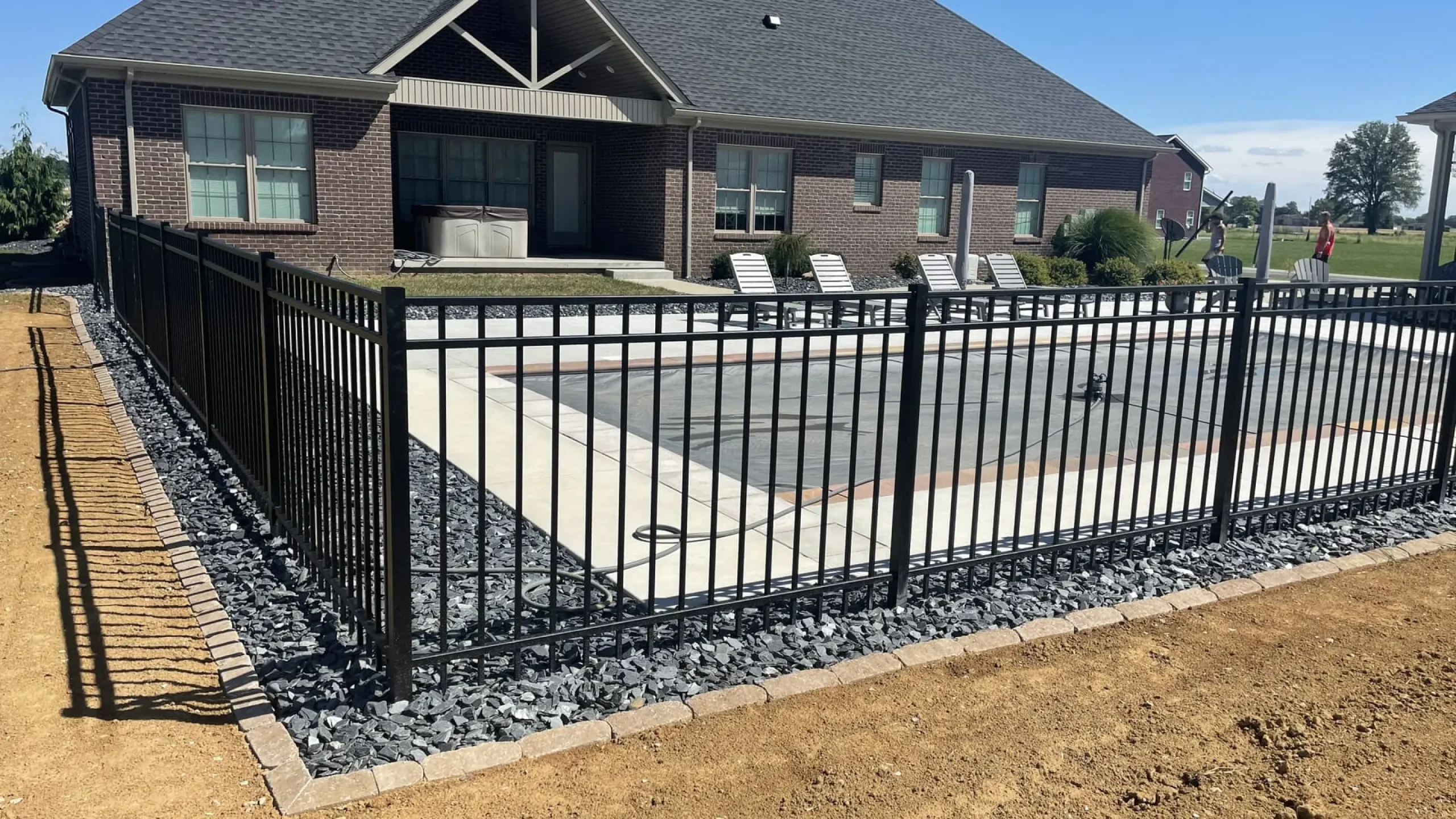
Aluminum fencing delivers an optimal balance of strength, aesthetic refinement, and minimal maintenance requirements that appeal to homeowners prioritizing durability and visual elegance. The material naturally resists rust and corrosion, making it suitable for properties with irrigation systems, pool areas, or locations with high moisture exposure. Powder-coated finishes provide color stability and additional protection while offering style flexibility beyond basic metal appearance. Black, bronze, and white represent popular finish selections that complement various architectural styles common throughout Jasper residential areas.
The open design characteristic of most aluminum fencing provides security and boundary definition without creating visual barriers that diminish property sight lines. This transparency proves particularly valuable for properties with attractive landscaping, water features, or scenic views worth preserving. Aluminum construction allows for significant height variations and decorative elements including finials, rings, and scrollwork that replicate traditional wrought iron aesthetics at reduced weight and cost. The material performs consistently across temperature ranges without expansion or contraction issues that affect some alternatives.
Installation costs for aluminum fence installation position the material in the moderate to upper price range depending on style complexity and height specifications. The fencing installs efficiently on properties with grade variations or uneven terrain through rack-able panels that adjust to slope without custom cutting. Aluminum provides excellent longevity with minimal maintenance beyond occasional washing, typically lasting thirty years or more without structural degradation. While aluminum does not provide the privacy level of solid board fencing, it excels in applications requiring secure boundaries with maintained visibility such as pool enclosures, front yards, or properties where local regulations restrict solid fence construction. The material’s light weight relative to its strength simplifies installation while providing sufficient durability to withstand typical impacts and weather exposure throughout southern Indiana’s varied seasonal conditions.
Making Your Material Selection Decision
Your optimal fencing material depends on specific property requirements, budget parameters, maintenance preferences, and aesthetic priorities. Wood fencing suits homeowners who value natural appearance, accept ongoing maintenance responsibilities, and prefer traditional design flexibility. Properties with covered areas or homeowners committed to regular upkeep will achieve satisfactory wood fence performance. Vinyl becomes the logical choice when minimal maintenance represents a priority and budget allows for higher initial investment offset by eliminated upkeep costs over decades. The material works exceptionally well for privacy applications and properties with full sun exposure where color stability matters.
Aluminum fencing serves properties requiring durable boundaries with maintained sight lines, particularly around pools, front yards, or sloped terrain where installation complexity favors its adaptable design. The material delivers superior longevity with negligible maintenance while providing security without visual obstruction. Budget-conscious decisions benefit from evaluating total ownership costs rather than installation price alone, as materials requiring frequent maintenance or earlier replacement often exceed the lifetime cost of alternatives with higher upfront investment but minimal ongoing expenses.
Local installation conditions in Jasper require attention to soil composition, drainage patterns, and typical weather exposure when planning any fence project. Clay-heavy soils common throughout Dubois County demand proper post-setting techniques to prevent frost heaving during winter months. Professional installation ensures material-specific best practices suited to regional conditions, from wood post treatment and concrete footing depth to vinyl panel expansion allowances and aluminum post-leveling precision. We provide detailed consultation and accurate estimates for wood, vinyl, and aluminum fence installations customized to your property’s specific requirements and your long-term satisfaction goals.